

Caribbean Yacht Charter
Crewed catamarans, sailing yachts and superyachts, from the British Virgin Islands to the Grenadines. Broker-led since 1992.
Rates reviewed August 2026A crewed week in the Caribbean runs $15,000–$45,000 for a catamaran, $40,000–$150,000 for a sailing yacht and $20,000–$250,000+ for a motor yacht, before an APA of 25–35%. The season runs November to July, peaking mid-December to March. Almost all charters are seven nights with captain and crew aboard and an itinerary built around your group rather than a fixed route.
The Caribbean is the most forgiving cruising ground in the world to charter in. The islands sit close together, the trade winds hold steady through the season, most passages are measured in hours rather than days, and you can be aboard the same afternoon you land. That makes it an easy place to charter for the first time — and it is why experienced guests keep coming back for anchorages that never make it into a brochure.
What follows is what we would tell you on the phone: which island group suits which kind of week, what a charter actually costs before and after APA, when to travel, and what your rate does and does not cover. If you would rather skip straight to a shortlist for your own dates, the form is halfway down.
Where to sail in the Caribbean
Four cruising grounds, each with a different character. Your dates and your group usually decide which one.
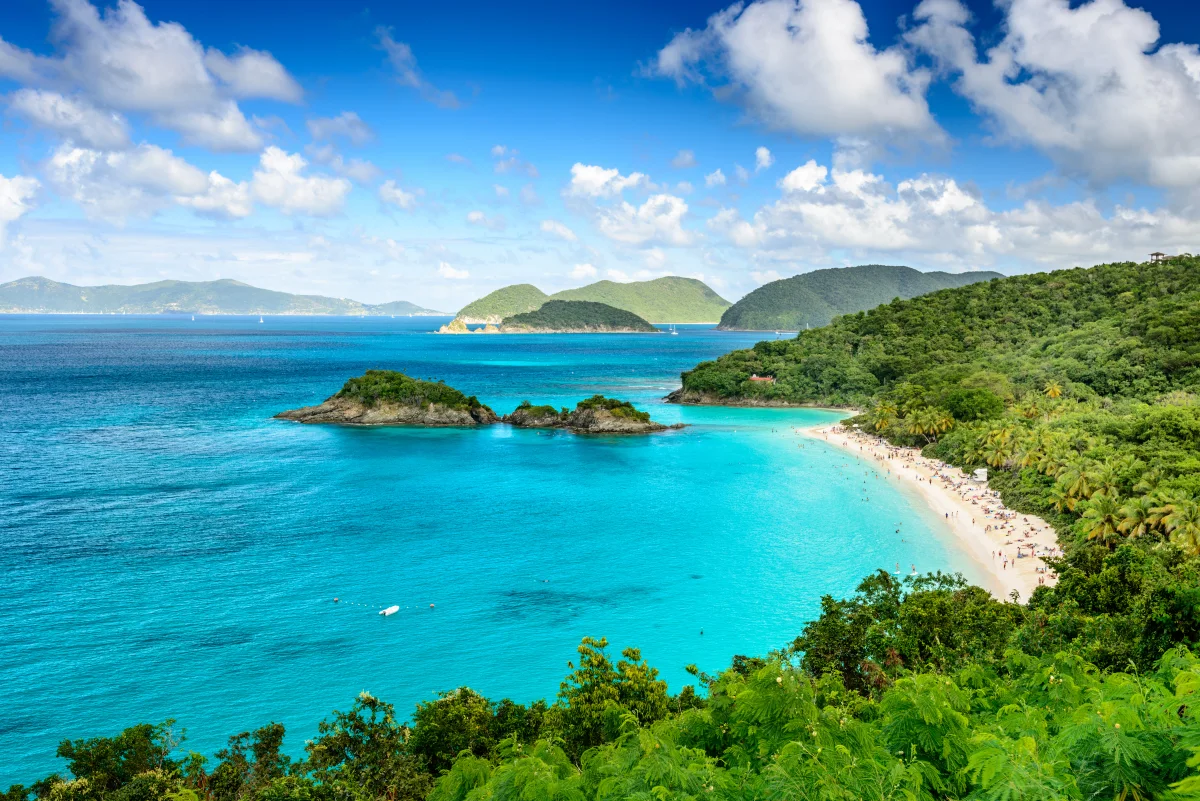
Virgin Islands — British & US
Nov–Jul
The most protected water in the region — short hops, line-of-sight navigation and a mooring field at the end of every afternoon. Most itineraries cross between the British and US islands, clearing customs once each way.
Best for: First Caribbean charters, families with children aboard
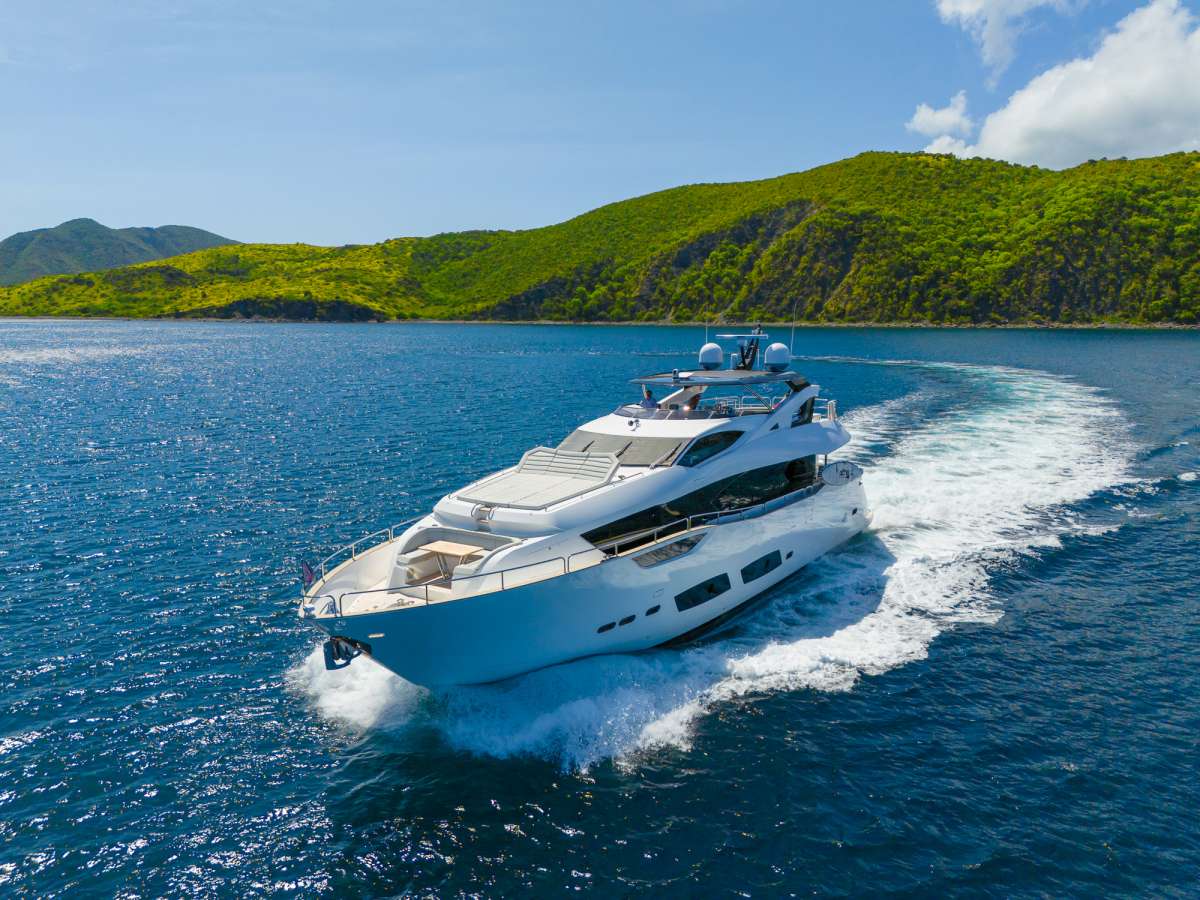
Leeward Islands
Dec–May
Antigua, St Barths, St Martin and Anguilla. Harbour dining and nightlife within tender distance of empty anchorages.
Best for: Mixed groups who do not all want the same day

Windward Islands
Dec–Jun
St Lucia, the Grenadines and Grenada. Longer passages, noticeably fewer boats, and the best reef diving in the Atlantic.
Best for: Guests who have chartered before, divers
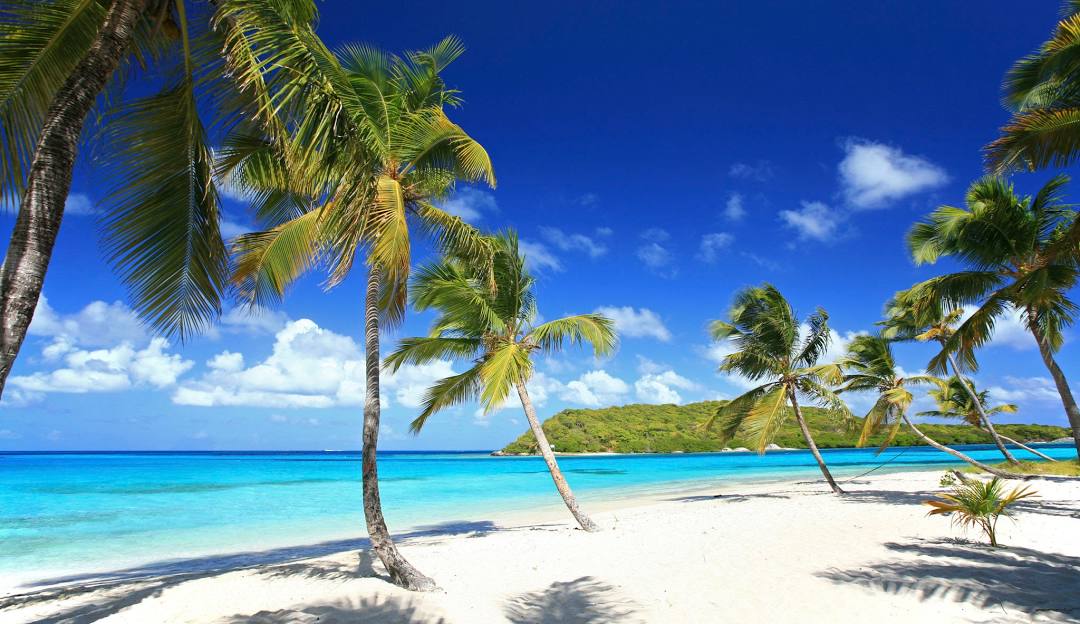
Spanish Virgin Islands
Nov–Jun
Puerto Rico’s outer cays — Culebra, Vieques and the reefs between them. An hour from a US mainland flight, with far less charter traffic than the BVI.
Best for: Short-notice trips and long weekends
What a Caribbean charter costs
| Yacht type | Typical week (USD) | How it is priced | Typically suits |
|---|---|---|---|
| Crewed catamaran (45–62 ft) | $15,000–$45,000 | Often all-inclusive | Families and first charters, 6–8 guests |
| Sailing yacht (60–100 ft) | $40,000–$150,000 | Plus APA | Couples and sailors, 6–10 guests |
| Motor yacht (50–130 ft) | $20,000–$250,000+ | Plus APA | Island hopping at speed, 8–12 guests |
| Superyacht (130 ft and above) | $300,000+ | Plus APA | Large groups, full crew, 12+ guests |
Where a yacht sits inside its range comes down to length, age, guest count and whether your dates fall in peak season. Add an Advance Provisioning Allowance of 25–35% of the base fee, plus a discretionary crew gratuity. Full cost breakdown and worked examples · Browse the fleet · How chartering works
When to go
Peak — mid-December to March
Steady trade winds, the driest weather of the year and the highest demand, driven by guests leaving winter in North America and Europe. Christmas and New Year are the most contested weeks in the Caribbean and are typically committed 6–12 months ahead.
Shoulder — April to early July
The same weather with fewer boats at anchor and softer rates. The best value in the season, and the easiest week to book at shorter notice.
Hurricane season — 1 June to 30 November
The Atlantic hurricane season officially runs 1 June to 30 November, with peak activity from August to October. Most Caribbean charter activity pauses over those three months. The southern Caribbean — Grenada, Trinidad and the ABC islands — sits below the main hurricane belt and stays viable, with quieter anchorages and softer rates.
Get a shortlist for your dates
Tell us the week, the island group and how many are aboard. Your broker comes back with yachts that are actually free — not a catalogue — and replies within 24 hours.
What’s included, and what isn’t
Every Caribbean charter is quoted one of two ways, and the difference matters more than the headline rate.
Plus expenses
The rate covers the yacht and its professional crew — captain, chef, stewardess and deckhand, depending on size. Fuel, food, beverages, dockage, port fees and shore excursions run through an Advance Provisioning Allowance of 25–35% of the base fee, spent against real receipts, with the unused balance returned at the end of the charter.
All-inclusive
Most crewed catamarans are offered this way, with provisioning, fuel within normal cruising and dockage already inside the weekly rate. Simpler to budget, and the reason catamarans suit a first charter.
Crew gratuity
Discretionary, customarily 10–20% of the base fee, paid to the captain at the end of the charter and shared among the crew.
Local taxes and permits
Most Caribbean cruising grounds charge no charter tax or VAT at all — a real difference from the Mediterranean, where France adds 20%, Italy 22% and Spain 21% to the base fee. What you pay locally here is small and practical: cruising permits, national park fees and port charges, normally settled through the APA. The British Virgin Islands is the notable exception, charging a cruising permit per person per day. Your broker confirms exactly what applies to your itinerary, and what is and is not included, before you commit to anything. See the tax and VAT table by cruising ground
Frequently Asked Questions
How much does a Caribbean yacht charter cost per week?
A crewed week typically runs $15,000–$45,000 for a catamaran, $40,000–$150,000 for a sailing yacht and $20,000–$250,000+ for a motor yacht. Superyachts begin around $300,000. Rates are quoted before the Advance Provisioning Allowance and crew gratuity, and vary with the yacht’s length, age, guest count and whether your dates fall in peak season.
What is APA and how much should I budget on top of the charter fee?
APA is the Advance Provisioning Allowance, paid before boarding to cover fuel, food, beverages, dockage and local taxes. In the Caribbean it typically runs 25–35% of the base charter fee. It is spent against real receipts and the unused balance is returned to you at the end of the charter. Crew gratuity is separate and discretionary.
When is the best time to charter a yacht in the Caribbean?
The Caribbean charter season runs November through July. Peak season is mid-December to March, when trade winds are steady and demand from North America and Europe is highest. April to early July is shoulder season – the same weather with fewer boats at anchor. The Atlantic hurricane season runs 1 June to 30 November, and most charter activity pauses from August to October.
How far in advance should I book a Caribbean charter for Christmas and New Year?
We recommend booking 6–12 months ahead for peak season to secure your preferred yacht and dates. Christmas and New Year are the most contested weeks of the Caribbean year and are committed earliest. Shorter notice is often possible through our broker network, so it is always worth asking – tell us your week and we will hold options across several vessels.
What is included in a Caribbean charter rate?
The rate covers the yacht and its professional crew. Fuel, food, beverages, dockage, port fees and shore excursions are handled through the Advance Provisioning Allowance, and crew gratuity is discretionary and paid separately. All-inclusive catamaran charters bundle most of these costs into the weekly rate. Your broker confirms exactly what is and is not included before you commit.
Why use a charter broker instead of booking directly with the yacht?
A broker represents you rather than one vessel. We shortlist across a network of more than 3,000 yachts, match the boat and crew to your group, and handle the contract, itinerary and provisioning detail. A yacht’s central agent represents its owner. You work with one dedicated broker throughout, not a call centre.
Why charter the Caribbean through Sneed
A family brokerage that has been arranging Caribbean charters since the year it opened.
Founded in 1992 by Hansel Sneed, broking charters since 1991. Meet the team
What happens after you send your dates
No automated funnel, no drip sequence. A broker reads it and comes back to you.
One dedicated broker
You deal with the same person from first enquiry through to disembarkation, not a call centre or a rotating queue.
Discretion as standard
Enquiries, itineraries and payments are handled confidentially. Many of our clients are executives, public figures and families who value their privacy.
No obligation at enquiry
We shortlist and quote against your dates before you commit to anything. If nothing fits, we say so.
Three offices, two time zones
Palm Beach Gardens, San Juan and Barcelona, so someone is reachable across US and European hours. English and Spanish.
A reply within 24 hours
A broker reads every enquiry personally and comes back within 24 hours — with a shortlist if we have one, or an honest answer if your dates are tight.
Booking for someone else
Assistants, family offices and travel advisors arrange a large share of the charters we handle. We work on trade terms and pay commission — tell us who the charter is for and we will keep you copied on everything.
Get a real shortlist for your dates
Send your week, cruising ground and guest count. Your broker comes back with the yachts that are actually available — and what they will cost with APA included.
Request a Quote