

How to Charter a yacht
Your Journey to a Perfect Yacht Vacation Starts Here
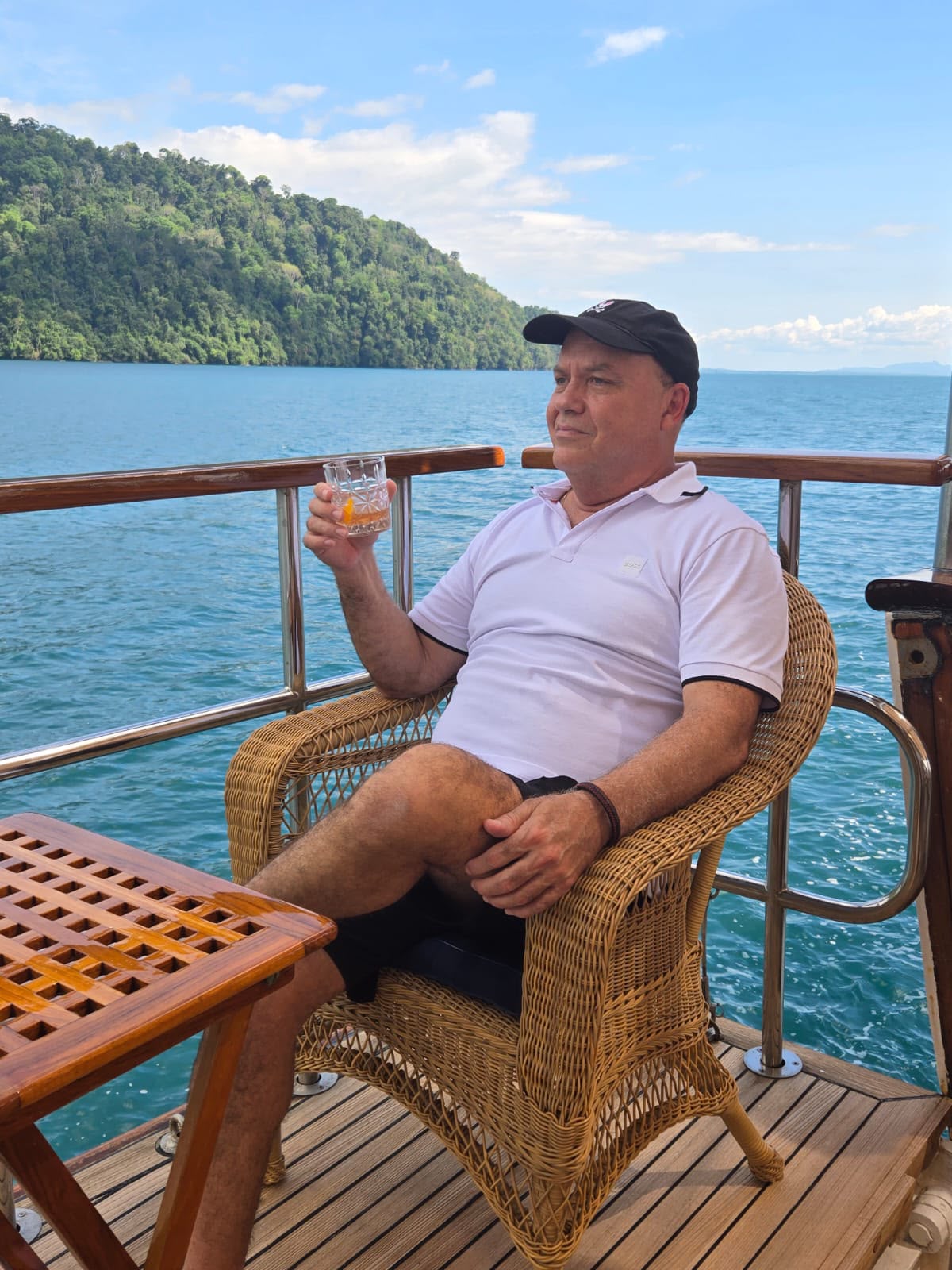
A crewed yacht charter runs roughly $15,000-$45,000 a week for a catamaran, $20,000-$250,000+ for a motor yacht and $300,000+ for a superyacht. On plus-expenses charters you also fund an APA of 25-35% of the base fee for fuel, food and dockage — anything unspent is returned to you at the end of the charter. Budget a further 10-20% for crew gratuity.
WHEN TO BOOKBook 6-12 months ahead for peak season. From first call to signed contract usually takes two to four weeks, with a 50% deposit to confirm and the balance due about a month before departure. The full process is below.
The four steps, start to finish
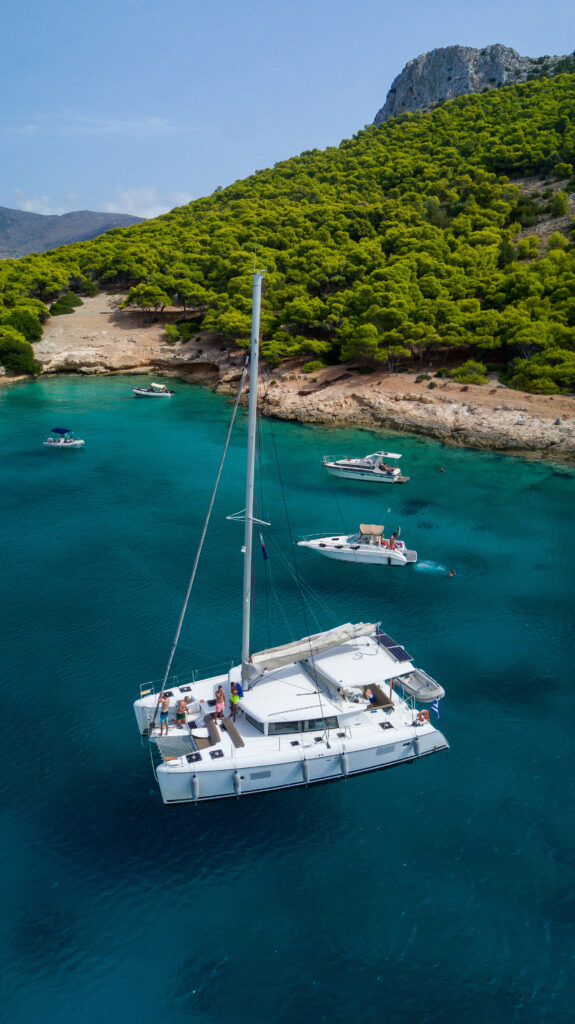
Chartering a yacht takes four steps: choose your destination and dates, select a yacht type and size for your group, review a broker-built shortlist, then sign the charter agreement and pay a 50% deposit. Most charters are booked 6–12 months ahead; the process itself takes two to four weeks from first call to signed contract.
- Select Your Destination: Choose from top yachting destinations worldwide, including the French Riviera, the Bahamas, Greece, or the Maldives.
- Determine Your Travel Dates: Yacht availability can vary by season, so early planning is essential.
- Choose Your Yacht Type: Decide between a luxury motor yacht, sailing yacht, catamaran, or superyacht.
- Consult with a Charter Expert: Our team will match you with the perfect yacht from a fleet of more than 3,000 vessels based on your needs and preferences.
What a charter costs

Most week-long charters are quoted one of two ways. All-inclusive — common on crewed catamarans — bundles the yacht, crew, meals, a standard open bar and fuel within normal cruising into a single price. Plus-expenses — standard on motor and larger sailing yachts — quotes a base charter fee, then adds an Advance Provisioning Allowance (APA) of 25–35% of that fee to cover fuel, food and beverages, dockage, local taxes and incidentals. The captain accounts for every expense and returns anything unspent at the end of the charter.
Budget a further 10–20% for crew gratuity, and expect taxes and cruising permits to vary by cruising ground.
See typical weekly rates by yacht type and size — plus exactly what the APA covers, what is and is not included, tax by cruising ground, and two worked example budgets.
Get a shortlist for your dates
Eight questions, about a minute. A broker comes back with yachts that are genuinely available for those dates — each one quoted for your week, with the APA and local taxes spelled out. No obligation, and your enquiry is handled confidentially by a named broker.
Prefer to talk it through? Call 1-561-463-6840 or use the full enquiry form if you would rather give us more detail up front.
Choosing the right yacht for your group
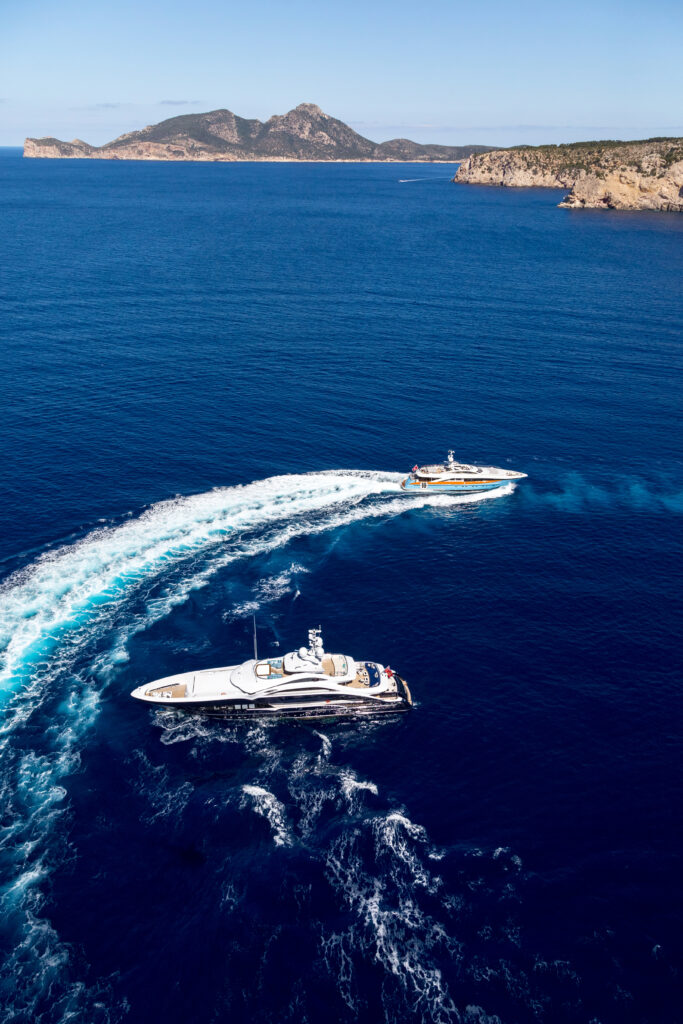
Four decisions shape your shortlist: how many guests you need to sleep, crewed or bareboat, the amenities that matter to you, and the pace of the itinerary. Settle those and a broker can narrow a 3,000-yacht fleet to a handful genuinely worth your time. Work through each in turn:
- Amenities & Activities: Do you want a yacht with a Jacuzzi, private chef, onboard gym, or water toys like jet skis and snorkeling gear?
- Guest Capacity: Ensure the yacht has enough cabins and space for your family, friends, or business associates.
- Itinerary Preferences: Would you like a relaxing, secluded getaway or an adventure-packed itinerary with multiple stops?
- Crewed vs. Bareboat: Opt for a fully crewed yacht for a five-star experience or a bareboat charter if you're an experienced sailor.
| Yacht type | Typical week (USD) | What's included | Best for |
|---|---|---|---|
| Catamaran (45-62 ft) | $15,000-$45,000 | Often all-inclusive: meals, standard open bar, snacks, non-motorised water toys and fuel within normal cruising. No APA to fund. | Families, first-time charter guests and relaxed Caribbean or Bahamas cruising. |
| Sailing yacht (60-100 ft) | $40,000-$150,000 | Base fee covers yacht and crew; fuel, food, bar and dockage come from an APA of 25-35%. | Sailing enthusiasts, couples and guests who want the quiet and the craft of true sailing. |
| Motor yacht (50-130 ft) | $20,000-$250,000+ | Base fee covers yacht and crew; fuel, food, bar and dockage come from an APA of 25-35%. Fuel is the largest variable. | Multi-destination itineraries, families and corporate groups wanting speed and space. |
| Superyacht (150 ft+) | $300,000-$1,000,000+ | Base fee covers yacht and a full crew; APA of 25-35% on top, plus berthing at premium marinas. | Large groups, VIP travel and maximum privacy with flagship amenities. |
Booking, step by step
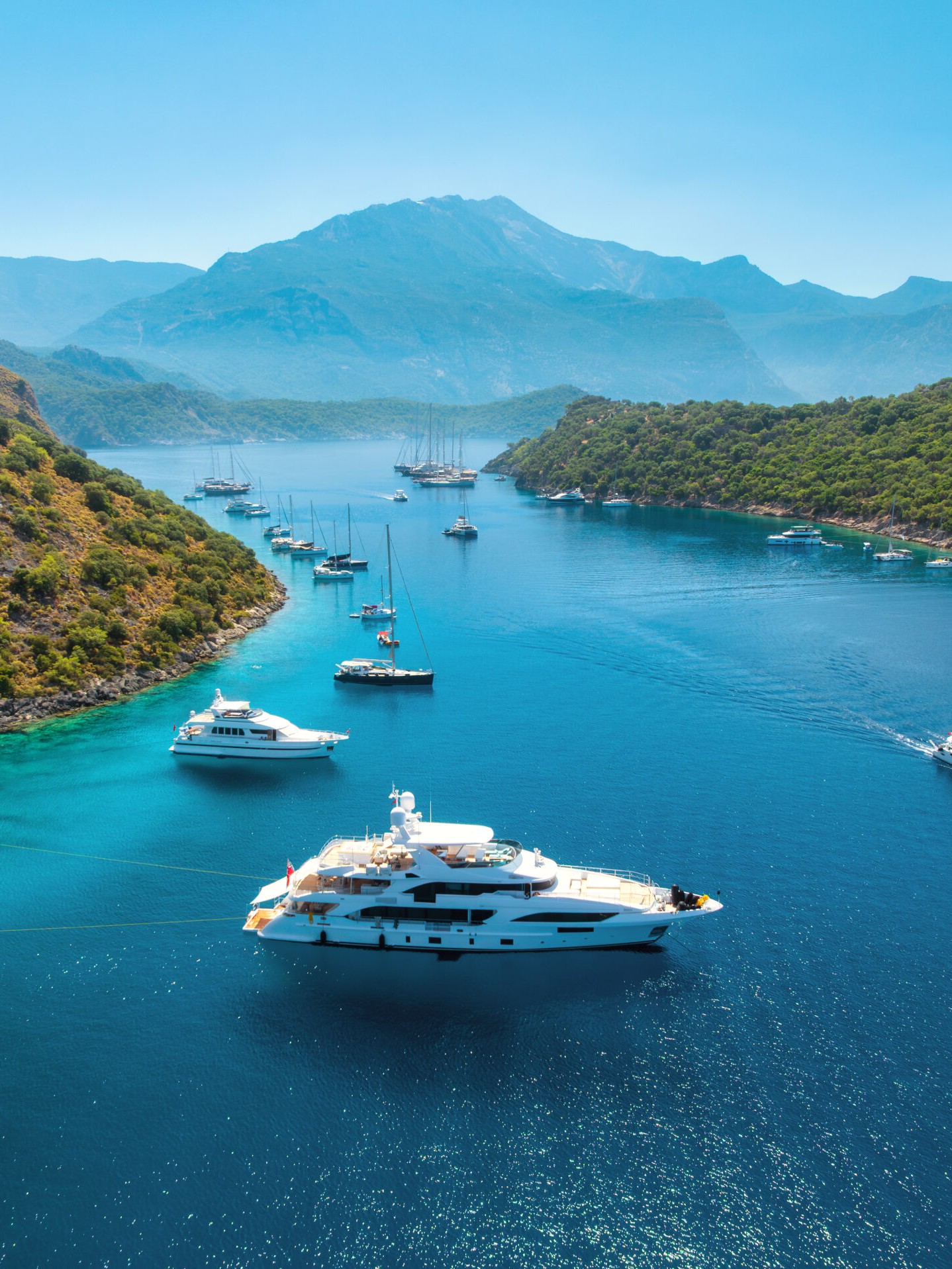
Once you have chosen a yacht, seven things happen in order: you review and sign the charter agreement, pay a 50% deposit, complete a preference questionnaire, then settle the balance about one month before departure along with the APA where one applies. Insurance, your captain’s discretion at sea and packing come last. In detail:
- Review the Charter Agreement: This outlines the terms, itinerary, cancellation policy, and crew details.
- Confirm Your Booking: A 50% deposit is required to secure your yacht.
- Fill Out a Preference Questionnaire: You’ll receive a detailed questionnaire covering dietary restrictions, medical needs, activity preferences, and special requests to ensure your crew provides a tailored experience.
- Final Payment & Advanced Provisioning Allowance (APA): The remaining balance is typically due one month before departure. If applicable, the APA (25-35% of the charter fee) will also be required to cover expenses like fuel, food, and docking fees. --Note that not all destinations require APA, as some yachts offer all-inclusive packages.
- Insurance: Consider cancellation and curtailment insurance to protect your investment in case of unforeseen events. Your charter agent can provide options for additional coverage.
- Captain’s Responsibility: While your captain will accommodate your requests, their priority is the safety of the yacht and guests. If a request conflicts with this duty, the captain’s decision will be final.
- Pack & Prepare: Your yacht will be fully stocked based on your preferences, so just bring your essentials and enjoy!
Fees and expenses beyond the base rate

Beyond the base charter fee, expect four cost categories: the APA (25–35% of the base fee on plus-expenses charters), operating expenses such as fuel and repositioning, harbour fees and local taxes that vary by cruising ground, and crew gratuity of 10–20%. Exactly what the base fee already covers depends on the regional charter terms your yacht is contracted under. Here is each in turn:
- Charter fee — the yacht, her crew and standard amenities. That is all it covers.
- Advance Provisioning Allowance (APA) — 25–35% of the base fee on plus-expenses charters, funding fuel, food, beverages, dockage and custom requests. Anything unspent comes back to you. All-inclusive yachts, most crewed catamarans among them, do not run one. How the APA works in detail.
- Operating expenses — these vary by yacht and cruising ground. Repositioning fees apply if you join or leave the yacht somewhere other than her home port. If fuel burn matters to your budget, raise it early rather than late.
- Harbour fees — “dues” in Europe, and they vary sharply from port to port. Minimal in the Caribbean and the Pacific Northwest.
- Regional charter terms — what the base fee already includes depends on the terms your yacht is contracted under: Western Mediterranean, Standard Eastern Mediterranean, Standard Caribbean or Greek Terms. The four compared side by side.
- Crew gratuity — customary but not obligatory. Around 10% of the charter fee for good service, 20%+ for exceptional. It goes to the captain at the end of the charter to distribute across the crew, including the people you never see.
On plus-expenses charters the captain reports fuel, communications and bar spend as you go, and you receive a full expense reconciliation at the end of the week. For worked budgets showing how these add up on a real charter, see two fully costed examples.
Yacht Charter FAQs
What is an APA on a yacht charter?
APA stands for Advance Provisioning Allowance. On plus-expenses charters you pay a fund of 25–35% of the base charter fee before departure, which covers fuel, food and beverages, dockage, local taxes and permits, and incidentals. The captain accounts for every expense and returns anything unspent at the end of the charter.
What is the difference between a crewed charter and a bareboat charter?
A crewed yacht comes with a professional captain and crew who handle navigation, cooking, service and all logistics — the five-star option, and what most guests choose. A bareboat charter has no crew: you skipper the yacht yourself, which suits experienced, suitably qualified sailors.
How far in advance should I book a yacht charter?
For peak season — summer in the Mediterranean, winter in the Caribbean — we recommend booking 6–12 months ahead to secure your preferred yacht and dates. Our global network of 3,000+ vessels often lets us accommodate shorter-notice requests as well.
What is a preference questionnaire?
After booking you receive a preference sheet covering dietary restrictions and allergies, medical needs, activity preferences, preferred drinks and any special occasions. The crew uses it to provision the yacht and shape the itinerary around you before you step aboard.
Can I cancel, and is insurance available?
The charter agreement sets out the cancellation policy, which varies by yacht and by how close to departure you cancel. We recommend considering cancellation and curtailment insurance to protect your investment against illness, travel disruption or other unforeseen events.
Questions about money — weekly rates, whether the APA is refundable, what is not included, gratuity, VAT and when payment falls due — are answered in the yacht charter cost guide.
Brokers, not a call centre
Sneed Charters was founded in 1992 by Hansel Sneed, who has been broking charters since 1991. Everything on this page — the deposit terms, the APA percentages, the regional charter terms — reflects how we contract charters for clients every season, not a summary of someone else's guide.
Your charter is handled by a named broker from first enquiry to disembarkation — Hansel Sneed (CEO & Broker), Adrian Sneed (Broker & Marketing Manager), Maria Murillo (CFO & Broker) and Rafael J. Lopez (Broker & Manager, Barcelona). Meet the team →
How we handle an enquiry
Most people reading this page are weighing up whether to make contact at all. Here is what happens if you do, and what it costs you.
A named broker, not a call centre
You deal with one person from first enquiry to disembarkation. The same broker who builds your shortlist negotiates your contract and is reachable during the charter itself.
Confidential by default
Enquiries, guest lists, itineraries and payments are handled privately by your broker. Many of our clients are executives, public figures and families who value their privacy, and we work under NDA where a charter calls for it.
No fee to you
Our commission is paid by the yacht out of the charter fee, not added to it. Chartering through a broker costs the same as approaching the yacht directly — the difference is that someone is representing your side of it.
No obligation to book
A shortlist of yachts genuinely available for your dates, quoted with the APA and local taxes spelled out, commits you to nothing. If none of them are right, say so and we will start again.
Book Your Dream Yacht Charter Today
To start, send your destination, dates and guest count to a broker — you will have a shortlist of yachts that are genuinely available for those dates, each quoted with the APA and local taxes spelled out, and no obligation to book. Whether you are planning a romantic escape, family adventure, or corporate event, Sneed Charters handles the logistics from first call to the moment you step aboard.
Get a Tailored Yacht Shortlist
Tell us your destination, dates and guest count, and your broker will come back with yachts that are actually available for those dates — with real rates, no obligation.